
Clean, safe drinking water is no longer just a basic necessity — it has become a thriving global industry worth hundreds of billions of dollars. As urbanisation increases, health consciousness and negative perceptions towards tap water quality grow, the packaged and bottled water demands are escalating at an unprecedented rate. The bottled water market in India alone is expected to expand at a compound annual growth rate of more than 20% and thus the bottled water industry is one of the most profitable in the food and beverage industry.
It is imperative whether you are an entrepreneur and are considering venturing into the bottled water industry, you are a student taking a course in food processing, or you are a professional in the industry and would like to learn more about the technical aspect of the business. This will guide you through all the important steps, such as obtaining raw water and filling the final bottle, and provide you with practical information on equipment, expenses, licensing and business plans.
Quick Overview: How Bottled Water Is Produced
In essence, the process of bottled water production begins with the gathering of water, which can be either of natural or municipal origin and then subjecting the water to several purification processes, adding and removing minerals in case of need, filling the water into sterilised bottles, capping and labelling the bottles and then finally wrapping up the bottles to be distributed. Focus on strict quality criteria and regulatory measures in India, which are mostly determined by the Bureau of Indian Standards (BIS) and the Food Safety and Standards Authority of India (FSSAI). All stages need specialised machinery, qualified staff and strict-quality control measures to ensure that the end product is safe, consistent and commercially viable.
Types of Bottled Water: Understanding What You Are Producing
It is essential to know the various types of bottled water in the market before getting down to the production process since each type has a slightly different route to be treated.
The common type of purified water that is sold in India is pure water. It is normally obtained through municipal sources or groundwater and is highly treated through various methods such as reverse osmosis, UV treatment and ozonation. The aim is to eliminate virtually all dissolved solids, contaminants, bacteria and chemicals and produce water that is of high purity.
Mineral Water is produced by a naturally shielded underground supply and includes a fixed and constant proportion of minerals, including calcium, magnesium and potassium. The mineral content is naturally available and it cannot be added artificially as per the Indian regulations. This kind of water is treated very little to maintain its natural composition and yet get rid of the dangerous microorganisms.
Spring Water is gathered at a natural spring where water flows to the surface of the earth by its own. It has to be gathered at the source or by a borehole that taps the underground formation supplying the spring. Spring water is not highly processed to preserve its naturally occurring characteristics.
Distilled Water is made by boiling water and then condensing the steam. In this process, virtually all the dissolved minerals and impurities are removed and pure water is obtained. Its use is mostly in medical, laboratory and industrial use rather than ordinary drinking purposes.
Purified water that is obtained through reverse osmosis is the most popular and most commercially viable option of the bottled water market among most entrepreneurs in India.
The Complete Step-by-Step Bottled Water Production Process
Step 1: Collection and initial testing of water source
The starting point in the production process is determining a good supply of water. The source can be a municipal supply line, a deep borehole well, a natural spring or a river, depending on the location and scale of the plant. A certified laboratory conducts a comprehensive water quality analysis once we identify the source. This test evaluates the concentration of total dissolved solids (TDS), pH, hardness, bacterial contamination, heavy metals, nitrates and others.
This preliminary analysis is important as it decides the precise combination of treatment processes needed. High-TDS water will require aggressive reverse osmosis filtration and water with high bacterial loads might require more disinfection steps. The knowledge of the raw water profile enables the plant engineers to establish the most efficient and cost-effective treatment system.
One will usually install a storage tank or even a raw water reservoir close to the source. This tank serves as a buffer supply which feeds the treatment plant continuously, avoiding production interruptions caused by a changing source pressure or a temporary non-availability.
Step 2: Pre-Filtration and Sediment Removal
When the raw water flows into the treatment plant, the initial physical treatment process starts. Water goes through a pre-filter system that consists of a number of pre-filters that are used to eliminate suspended particles, sediment, sand, mud and visible debris. At this stage multi-grade sand filters and gravel filters are in use.
Activated carbon filters are important after removing the sediment. These filters contain granular or powdered activated carbon which adsorbs chlorine, chloramines, organic compounds, pesticides and unwanted odours and flavours in the water. Removal of chlorine is of great concern since any leftover chlorine in the feed water may destroy the fragile membranes of reverse osmosis systems further along the line.
The process may also include the addition of a softener unit in case the raw water is very hard. Water softeners replace calcium and magnesium ions, which form the scale, with sodium ions using ion-exchange resin that prevents the formation of the scale and damages equipment down the line, as well as raising the overall efficiency of the treatment procedures.
Step 3: Reverse Osmosis (RO) Purification
Modern bottled water production is based on reverse osmosis. Water in this process is pressurised and forced through semi-permeable membranes that have pores which are so tiny that they cannot allow dissolved salts, heavy metals, fluorides, nitrates, bacteria, viruses and virtually all other contaminants. The outcome is that it produces water that is extremely pure, and the TDS is frequently reduced to less than 10 parts per million.
An average RO system in a bottled water plant comprises high-pressure pumps, membrane housing, stacking of multiple membrane elements in the form of an array and a control panel to monitor the pressure, flow rates and recovery ratios. The RO process yields two streams: permeate water that has been purified and passed on to the next treatment phase and a concentrated reject stream that contains the contaminants that are removed and is usually discarded or, in water-scarce areas, partially recycled.
Recovery rate of an RO system, i.e., the percentage of feed water converted to usable purified water, is usually between 50% and 75%, depending on the quality of feed water and system design. Contemporary high-efficiency RO systems with energy recovery systems are assisting plants to enhance this ratio and save on their operation cost significantly.
Step 4: Ozone and UV sterilization
Although RO has been treated, a further layer of microbiological protection is required to guarantee the water is of high safety standards. Here, ultraviolet (UV) sterilisation and ozonation come into effect.
UV sterilisation introduces the water to high-intensity ultraviolet radiation, which damages the DNA of bacteria, viruses and other microorganisms, making them incapable of reproduction and harmless. UV systems have no residual taste and odour, are chemical-free and are very effective against a wide range of pathogens, such as E. coli, Giardia and Cryptosporidium.
The strongest disinfection step in the production of bottled water is ozonation. Ozone, which is a very unstable oxygen with three atoms rather than two, is created at the location through an ozone generator and is sprayed into the purified water. Ozone is an extremely powerful oxidising agent which destroys bacteria, viruses and even chemical pollutants at much lower concentrations than chlorine does. One of the major benefits of ozone is that it breaks down to normal oxygen in several minutes, so there is no chemical residue in the end product.
Another secondary use of ozonation is that the process can be used as a preservative in the closed bottle. Since ozone remains a disinfectant over a short time in the closed container, it offers protection against any contamination after filling, adding to the shelf life of the product, and artificial preservatives are not needed to preserve it.
Step 5: Mineral Addition and pH Equalisation
The pure RO water is very clean, but it is usually too acidic and thus deprived of trace minerals which make ordinary water taste good and have health benefits. At this point, necessary amounts of the required minerals like calcium chloride, magnesium sulphate and potassium bicarbonate can be added back to the purified water through a mineral dosing system.
pH adjustment is also done to make the water fall within the range of 6.5–8.5, as required by the BIS standards for packaged drinking water. This change not only makes the water more palatable but also more suitable physiologically to the human body.
Step 6: Bottle Production or pre-washing
Packaged water is produced using bottles that are usually composed of food grade PET (polyethylene terephthalate) plastic. Small and medium-sized plants tend to obtain pre-made bottles or PET preforms externally, whereas big plants tend to have in-house blow-moulding machines that squeeze the preforms into finished bottles on demand, offering considerable savings in cost and supply chain management.
All bottles (newly made or sourced externally) are then subject to an automated bottle rinsing and washing system prior to filling. In this system, high-pressure jets of ozonated or purified water are used to clean the inside of each bottle, which eliminates dust, particulates or contaminants that may have built up during storage or transportation. A typical method employed in automated rinsing machines is inverted rinsing, whereby bottles are inverted and shot with water.
Step 7: Filling and Sealing
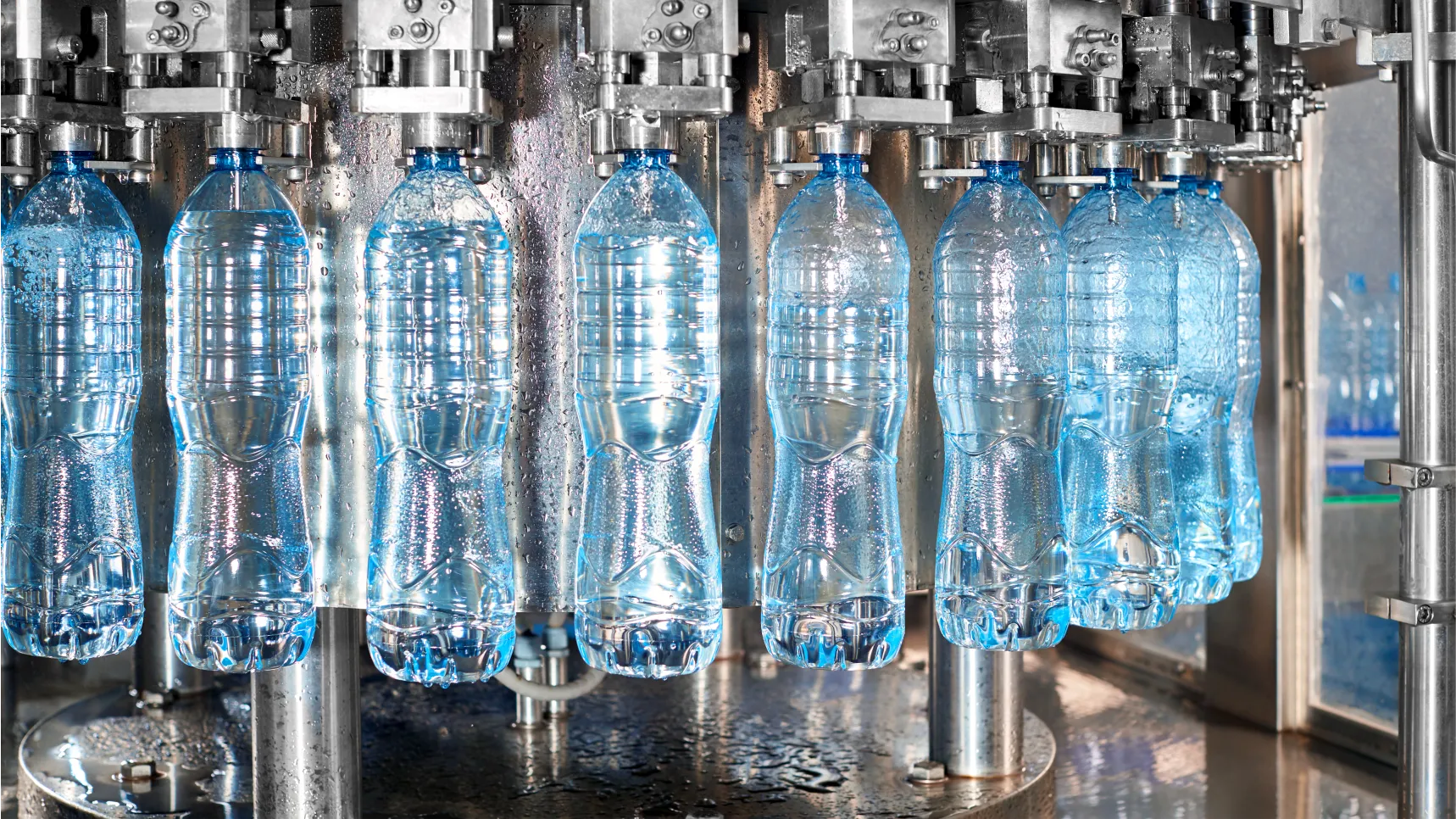
The filling part is the core of the production line and the hygienic conditions are not to be compromised in this case. Water fillers are also called automated liquid filling machines that dispense a very specific and calculated amount of purified, ozonated water into every bottle. These machines are fast – a few hundred to thousands of bottles per hour Depending on the magnitude, the machines are made in such a way that there is minimal interaction of water with the external environment.
State-of-the-art filling machines are either run on positive air pressure or in closed clean-room conditions to avoid any contamination by air. After bottling, individual bottles proceed to an automatic capping machine, which puts a tamper-evident cap on the bottle and closes it with a consistent amount of torque. The capping process is also checked to make sure that there are no under-torqued or cross-threaded caps that are transferred because a single defective seal will make the whole batch invalid.
Step 8: Labelling and Packaging
After filling and sealing the bottles, they go through an automatic labelling machine which labels them with pre-printed labels with high accuracy. Bottled water labels should be in line with the FSSAI requirements and should include the brand name, product type, net volume, manufacturing date, best-before date, batch number, FSSAI licence number, BIS certification mark, address of the manufacturer and MRP.
Bottles are labelled and packed into bundles or cartons that are shrink-wrapped after labelling. Plastic film Automated shrinkwrapping machines apply heat to shrink tight plastic wrappings around bundles of bottles, usually of 6, 12 or 24 bottles, making clean, tight packages that can be palletised and shipped.
Step 10: Quality Control and Testing
Not a single bottle comes out of a proper bottled water plant without undergoing a series of quality inspections. The production of bottled water is a multi-point process of quality control that is continuous. Regular sampling and testing of samples occur at the stage of the raw water receiving, in the middle of the treatment processes, in the reverse osmosis, in the ozone and in the final product being packaged.
Final product testing of TDS, pH, bacterial counts, coliform, chemical contamination and physical appearance. The packaged drinking water standards of BIS (IS 14543) lay down the maximum allowable levels of dozens of parameters and the plants are required to keep records of all test results to be inspected by the regulations.
Equipment needed in a bottled water plant
The establishment of a bottled water facility will need a well-chosen complex of machines that operate in a synchronised manner. The main equipment is a raw water storage tank, multi-grade sand filter, activated carbon filter, water softener, antiscalant dosing system, high-pressure RO system, UV sterilisation unit, ozone generator, mineral dosing system, automatic bottle rinsing-filling-capping (RFC) machine, labelling machine, shrink-wrap packaging machine and blow moulding machine which is used in the plants that have an in-house bottle
All equipment needs to be manufactured with the use of food-grade stainless steel (SS 304 or SS 316) to meet hygiene standards. The rate at which the machine is automated directly influences the rate of production, labour needs and consistency of the product.
This is the stage in which a seasoned machinery ally plays a gigantic role. JPEE ENGINEERS has become an established brand in the packaged drinking water plant market and it provides an end-to-end solution of plant set up, including supply of machinery, installation, commissioning and after-sales services. Their team has extensive experience in the design of plants of any size, including small 500 BPH to full-scale facilities with tens of thousands of bottles per hour.
Breakdown of Costs of establishing a bottled water plant in India
A financial investment is required in this business and it is important to understand the amount of money an entrepreneur will be spending to venture into this business.
In a small-scale plant with power to manufacture approximately 500 to 1,000 bottles per hour, the entire investment would be between 25 lakhs and 50+ lakhs. The total cost is comprised of basic RO and treatment equipment, a semi-automatic RFC machine, a labelling machine and small land and civil construction expenses.
A medium-sized plant that can handle 2,000 to 5,000 bottles per hour will cost around 75 lakhs to 1.5+ crore. This level has increased automation and an increased rate of production and the plant will normally have dedicated utility systems for power and water supply.
Plants with a large scale and automation (of at least 10,000 bottles per hour) may cost between ₹ 2 crores and 5 crores or more, depending on how much automation, the ability to manufacture their own bottles, and the plant infrastructure.
The main cost elements of all sizes are machinery (40–50% of investment), civil construction and land lease (20–25%), licensing and regulatory compliance (35%), utility setup such as power and boreholes (10–15%) and working capital for raw materials, packaging and labour (10–15%). Collaboration with a more established firm, such as JPEE ENGINEERS, can assist entrepreneurs in avoiding expensive design errors, choosing the appropriate capacity equipment and optimising plant layout—saving a lot of money and cutting time to market.
India Bottled Water licenses and regulations
Bottling of water in India is among the highly controlled sectors in food production and one has to be certified with the right certifications prior to the commencement of production.
The most important licence is the BIS certification under IS 14543 (packaged drinking water) or IS 13428 (packaged natural mineral water). The Bureau of Indian Standards performs factory inspections and tests products prior to issuing this certification and then conducts regular surveillance audits.
The Food Safety and Standards Act, 2006 require registration under FSSAI or a licence. Businesses can be registered with a basic registration, a state licence or a central licence depending on the extent of production and turnover.
Other conditions are a No Objection Certificate (NOC) of the State Pollution Control Board; a factory licence granted by the Factories Act (plants with more than a specified number of workers); permission to extract groundwater by the Central Ground Water Authority (CGWA) in the event of using a borehole; and registration under the GST Act in commercial operations. Businesspersons are highly encouraged to start the licensing process, as it may take several months to be approved.
The Bottled Water Business and the difficulties in it and the way to overcome them
The bottled water business, as profitable as it is, is associated with its operational and competition issues. The high start-up capital requirement and relatively low margins, especially in competition with a national brand, are one of the most significant. Entrepreneurs can overcome these challenges by targeting a particular geographic market at first, developing good local distribution networks and making their product stand out with the help of quality certifications and high taste.
Another problem is ensuring the quality of water all year round, particularly in areas where the quality of the raw water source varies seasonally. An effective pre-treatment system, frequent source water analysis and collaboration with professional plant designers such as J PEE ENGINEERS can assist in making sure that your treatment line is capable of adjusting to the changing conditions of feed water.
The reliability of power supply is essential, as RO systems and filling lines are to be supplied with electricity constantly. A reasonable and becoming affordable solution is to install power backup systems like diesel generators or arrays of solar power.
Business consideration is also in the waste management of PET bottles and addressing the increasing environmental concerns. To tackle the sustainability issues at hand, many producers are starting to invest in thinner-walled bottles, recyclable packaging and consumer education.
Practical Advice on how to start a successful business in Bottled Water
Carry out a comprehensive market study and then make up your mind about the location of your plant. Learn about demand, competition, distribution networks and availability of water. Choose Your plant location. It ought to be close to a good water supply, have easy road access to its distribution logistics and be in a place with a stable power supply.
Use quality machinery initially. Cutting corners on equipment to reduce initial costs often leads to higher downtime, inconsistent product quality and costly repairs in the long run. Plan your plant to be scalable in the future to be able to increase production capacity without necessarily having to overhaul your current system.
Establish good relations with distributors, hotels, restaurants, offices and retail chains during the initial stages. The branding and the package design also have a surprisingly strong influence on consumer perception – a good label and a bottle can make a difference in retail recognition and buying behaviour.
Do not compromise quality testing. Your BIS, FSSAI certifications can be as good as your daily quality control practices. Ensure the highest standards of production hygiene; educate your workforce strictly; and keep records of each production batch.
Are you willing to establish your bottled water plant? Talk to the Experts
In case you have the serious intention to venture into the bottled water business and do not wish to spend a lot of money on trial and error as is usual with first-time entrepreneurs, it can be among the best decisions to get in touch with an established partner in setting up the plants.
JPEE ENGINEERS has assisted various entrepreneurs and companies in India to establish efficient, compliant and profitable bottled water plants. Their team offers you end-to-end support, be it in plant design and machinery selection, installation, commissioning and regulatory guidance depending on your budget and production objectives.
You can take a small local operation or a large automated facility; JPEE ENGINEERS will give you a free initial consultation to determine what you need and offer a tailored proposal for a plant. The need for bottled water is increasing daily – the faster you make a move, the greater your competitive advantage will be.
Call JPEE ENGINEERS and begin the process of creating a successful and quality bottled water business today.
Conclusion
The process of bottled water production is an interesting blend of high-end water treatment technology, accuracy in engineering, high standards in quality and keen business insight. Since it takes attention to detail, compliance with regulatory requirements and investment in high-quality equipment and human resources, every single step requires careful selection of a water source up to the final sealed and labelled bottle dropping off the production line.
The bottled water business in India is one of the best business opportunities of the decade. When properly equipped with the correct knowledge, the correct machinery associates and a desire to produce a product of high quality, the entry into this market can be not only rewarding financially but also the difference maker, since at the end of the day what you are producing is not just a product. You are supplying the people with clean and safe drinking water.
Follow this guide and use it as your base; plan and build a bottled water business that can be counted on, trusted and relied upon for long-term growth.
